From Screen to Stitch: Evaluating Getting Candy Wasted
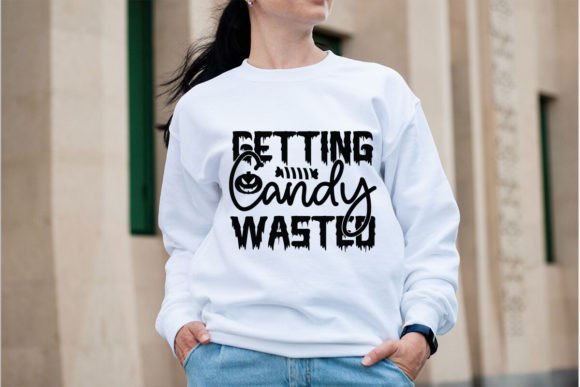
I open a new embroidery file a few dozen times a week. Some are for client work, some for my shop, and others just to see what’s trending. When I loaded Getting Candy Wasted, the Halloween T-shirt design from that freebie bundle, my first thought wasn't about specs or stitch counts. It was about a client’s request last October for a custom, fun-but-not-scary embroidered sweatshirt for her nine-year-old. This design, right off the screen, felt like the answer.
The Immediate Mood & Visual Personality
You can tell a lot about an embroidery design from its static preview. Getting Candy Wasted has a playful, slightly mischievous energy. The layout is bold and graphic, not overly fussy. The phrase itself is humorous and modern, perfect for Halloween without leaning into spooky or gothic themes. For embroidery, this is a huge plus. A design with too many tiny, intricate details can become a muddy mess of thread, especially on textured fabrics like sweatshirts or tote bags. This one looks clean, with shapes that suggest good stitch definition. It feels like it belongs on a casual, comfortable item—something worn at a party, carried to a pumpkin patch, or given as a lighthearted holiday gift.
A Natural Fit for Real Projects
My mind immediately started sorting through applications. This isn't a delicate, miniature design. Given the bundled files—PNG versions in color, white, and black at print-ready sizes, plus an editable EPS—it's clearly built for impact. The 15-inch and 18-inch transparent PNGs are perfect for creating printable mockups for an Etsy listing or a digital product preview. But for actual stitching, I’m thinking about scale.
I’d confidently hoop this for a central design on an adult sweatshirt or a kid’s hoodie. It would be a standout statement on the front of a canvas tote bag for trick-or-treating. For a craft business, it could easily become a seasonal best-seller as an embroidered patch, applied to caps or backpacks. The bold, clear lettering and thematic elements mean it would retain its character even when stitched on something smaller, like the corner of a tea towel or a pillow cover for a Halloween-themed room. It’s that versatile balance of being graphic enough for apparel and charming enough for home decor gifts.
Where Performance Meets Practicality
The real test of any embroidery file is how it transitions from digital asset to physical thread. Based on the visual structure of Getting Candy Wasted, I anticipate it performing well in real-life embroidery situations, but with some important considerations.
For custom apparel like t-shirts and sweatshirts, the stitch density will be key. Areas that look solid black in the PNG will need to be filled with satin or fill stitches. On stretchy jersey fabric, using the proper stabilizer is non-negotiable to prevent distortion of those clean shapes. On a dense fabric like a denim tote bag or a cotton apron, it should stitch out crisply. The design’s personality—that playful, trendy vibe—directly boosts the perceived value of a handmade product. A customer sees this on a personalized gift and immediately understands the mood; it’s engaging and recognizably modern.
Caution Zones and Careful Applications
Not every project is a perfect fit. Here’s where a designer’s experience dictates caution. While the bundled files offer white and black versions, which is excellent for fabric contrast, embroidering this on very dark fabric with the white version means using a lot of bright thread. That can look fantastic, but on a black cotton tee, for example, you’d need to ensure the stitch density isn’t so high that it makes the fabric stiff or puckered.
I would be careful using it on very small hoop sizes. If you try to shrink it down for a baby bib or a tiny patch, those decorative accents and the lettering clarity might suffer. The design's strength is its graphic impact, which relies on a decent scale. Similarly, curved surfaces like caps require adjustments; the layout might need slight repositioning to look centered and balanced on the curved crown. For products that need frequent washing, like kitchen towels or baby clothes, opting for a simpler thread color palette (maybe just two colors) from the provided three-color PNG could enhance durability and reduce snagging.
The fully editable EPS file included in the bundle is a major asset here. If I wanted to adapt it for a specific commercial embroidery project—say, simplifying a element for a textured blanket or tweaking the layout for a curved cap—having that vector source means I can, within the bounds of the license, make those practical adjustments. This is crucial for brand consistency for a small shop or for creating a cohesive line of Halloween merchandise.
Notes for the Embroidery Designer Before Hooping
Before I’d run this file for a client or my shop, my process is always the same. It’s not just about the machine embroidery design; it’s about the finished product.
- Test on Scrap First. Always. Use the same fabric and stabilizer combo you plan for the final project. This reveals everything: thread tension, stitch density issues, and whether small details like the candy accents come out clean.
- Check Contrast. The bundle gives you 3 Color, 3 White, and 3 Black PNGs. Use these as guides. Stitch a sample on both a light and dark scrap. Does the chosen thread palette pop? Does the white version on black fabric look crisp without being overly dense?
- Confirm Your Hoop Size. While the PNGs are labeled 15in and 18in, your embroidery machine hoop and the actual garment size are your real constraints. Measure the available space on your sweatshirt or tote bag. Does the design fit comfortably with good margins?
- Inspect the Details. Even in a bold design, tiny corners or intricate areas can cause thread breaks or bobble. Look closely at the digital file for any potential trouble spots before stitching.
- Think About Licensing. This product is categorized as a freebie. This is fantastic for personal use and experimentation. However, if you intend to sell the finished embroidered items—the tote bags, the baby clothes, the patches—or use the design assets for commercial embroidery projects, you must confirm the specific licensing terms. Never assume. Check the source for clear rules about commercial use and digital product resale.
The Final Stitch: Why This Design Adds Value
When you’re building a craft business or selecting designs for personalized gifts, a file like Getting Candy Wasted offers more than just stitches. It offers a clear mood. It communicates a contemporary Halloween feel that resonates with buyers. Its clean layout translates well to thread, which means your finished product looks professional, which builds customer trust. For an Etsy seller, using the high-resolution PNGs to create sharp mockups directly increases buyer engagement.
In my scenario, for that custom kids' sweatshirt, this design was a success because it was fun, readable, and stitched out cleanly on the fleece backing. It felt like a premium handmade product. That’s the practical judgment: a good embroidery file should make your work look better, fit a real need, and simplify your process. From what I see in the bundle—the multiple format options, the color variations, the editable source—Getting Candy Wasted is built to do exactly that. Just remember to do your homework on the license, and always, always test your stitch.